

Oral GLP-1 Medication Is Coming: A Turning Point for Weight Management Supplements?
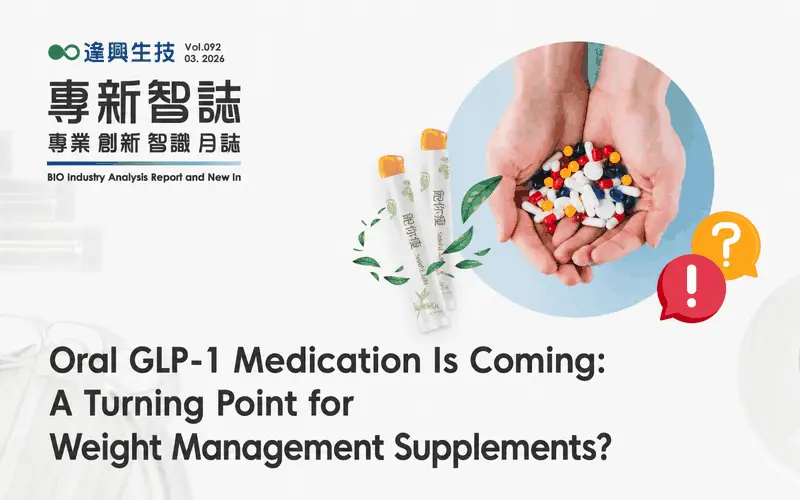
With oral GLP-1 medications (often dubbed “skinny pills”) expected to launch this year, barriers to weight-loss treatment are dropping significantly. Clinical studies show that oral Semaglutide can achieve average weight reductions of 13–17%[1] over interventions exceeding 60 weeks. These results underscore the strong efficacy of GLP-1 therapies in weight management and are likely to further accelerate the growth and mainstream adoption of the weight-loss market. However, the widespread use of pharmacologic interventions highlights a key concern: when appetite is persistent and artificially suppressed, can normal nutrient intake and metabolism be maintained? Evidence from reviews and clinical observations indicates that weight rebound after glp is common within 1.5–1.7 years[2] after discontinuation of GLP-1 therapy, suggesting these agents function primarily as short- to medium-term physiological interventions.
Q:With FDA-approved oral weight-loss drugs entering the market, what’s next for supplements?
A:As GLP-1 therapies become integrated into daily life, dietary supplements are better positioned for ongoing support. Rather than competing with drugs on short-term appetite suppression, weight management supplements should leverage low-risk, long-term, multi-ingredient formulations to deliver comprehensive benefits—providing nutritional support, stabilizing internal balance, supporting satiety and energy regulation, and complementing pharmacotherapy to help sustain healthy weight management over time.
Q:Why do weight loss plateaus and regain occur during later-stage GLP-1 therapy?
A:With prolonged drug-induced appetite suppression, the body gradually adapts. Basal metabolic rate may decline, activity-related energy expenditure decreases, and lean mass loss can occur. Meanwhile, appetite regulation becomes externally driven rather than intrinsically controlled, leaving satiety signaling and energy sensing only partially restored. Over time, weight-loss response may diminish despite continued appetite suppression, and rapid weight regain can occur after discontinuation.
Q: How can one return to healthy weight-loss state when metabolism and eating rhythms are out of sync?
A: Support the body in regaining its natural ability to recognize satiety and regulate energy needs.
By stabilizing daily fluctuations and helping prolong feelings of fullness, the body’s internal feedback system for energy balance can be gradually restored, allowing eating patterns to become more self-regulated again. As these physiological signals recover, it may help reduce the risk of metabolic adaptation and weight regain, while supporting the maintenance of muscle mass, energy levels, and overall quality of life. For late-stage weight management, approaches that combine herbal complexes and nutritional support may help gently reinforce the body’s internal regulation—an important foundation for sustaining long-term healthy body composition.
How can herbal complexes help activate the body’s natural GLP-1 support? Interested in Wel-Bloom’s R&D strategy and formulation approach?
Contact us for a full analysis.



Wel-Bloom Bio-Tech
Leader of Jelly Supplement
-
Phone +886-2-33225555
-
Fax +886-2-3322-5966
-
Email service@welbloom.com.tw
-
LINE Official Account @welbloom
-
LinkedIn Welbloom BioTech
Contact Us
We will reply them as soon as possible.